
 ultimate-guide
Why Invest in Artisan Home Decor: A 2026 Guide
Table of Contents
- Why Artisan Home Decor Stands Apart
- Artisan vs Mass-Produced Home Decor: Quality and Longevity
- The Investment Case: Asset Value and ROI
- Ethical Consumption and Supporting Artisan Communities
- How to Style Artisan Decor in Your Home
- Investing in Heirloom Quality Furniture That Lasts
- Authentication, Care, and Maintaining Your Artisan Pieces
- Conclusion: The Lasting Value of Handcrafted Design
- Frequently Asked Questions
Last Updated: September 1, 2026
Why Artisan Home Decor Stands Apart
When you step into a room filled with mass-produced furnishings, everything feels interchangeable. The same pieces sit in thousands of homes. But artisan home decor tells a different story. Each handcrafted object carries the maker's intention, the marks of human skill, and a narrative that factory production simply cannot replicate.
At Eleviq9, we've curated collections specifically because we understand what separates authentic artisan pieces from the commodity market. The difference isn't subtle, it's fundamental. Artisan home decor represents a deliberate choice to surround yourself with objects that have been thoughtfully created rather than algorithmically optimized for cost reduction.
Handcrafted designs bring genuine character to your space. A ceramic vase shaped by hand carries slight variations, a subtle asymmetry, visible fingerprints in the clay, color gradations that reflect the firing process. These imperfections are not flaws; they're signatures of authenticity. They prove a human being made this object, not a machine stamping out identical copies.

The emotional connection to artisan pieces runs deeper than aesthetic preference. When you know a skilled craftsperson spent hours creating something for your home, you relate to it differently. You notice details. You appreciate the construction. You're less likely to treat it as disposable. This shift in perspective changes how you inhabit your space, you become more intentional about your surroundings.
Artisan vs Mass-Produced Home Decor: Quality and Longevity
The quality gap between artisan and mass-produced home decor is immediately apparent when you examine materials and construction methods. Mass-produced items prioritize speed and cost efficiency. Manufacturers use the thinnest viable materials, the quickest assembly methods, and adhesives designed for a product lifecycle measured in years, not decades.
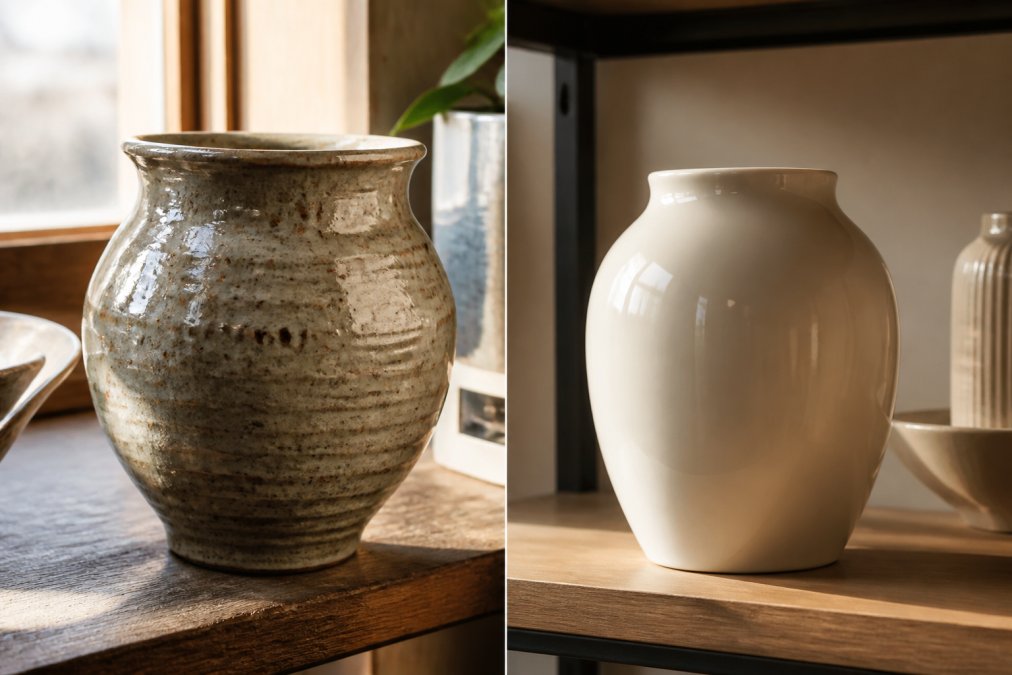
Artisan creators select materials for durability and beauty. They invest time in construction techniques that reinforce longevity. A hand-woven textile uses fibers chosen for their strength and aging characteristics. A ceramic piece is fired at temperatures and durations that ensure structural integrity. A wooden accent is finished with techniques that protect against environmental stress over decades.

Consider the difference in how these pieces age. Mass-produced decor often shows wear within two to three years, fading, cracking, loosening joints, peeling finishes. The object becomes shabby. Artisan pieces, by contrast, develop patina. A hand-woven rug shows the beauty of use. A ceramic vase gains character as its glaze ages. Wooden furniture develops a deeper luster. These pieces don't deteriorate; they improve.
The longevity advantage translates directly into value preservation. An artisan piece you purchase today will likely still be functional and beautiful in fifteen years. A mass-produced equivalent will probably be destined for disposal. This durability difference is what separates investment-grade decor from temporary furnishings.
The Investment Case: Asset Value and ROI
Most people don't think of home decor as an investment. They view it as consumption, money spent that never returns. But artisan home decor operates differently. Handcrafted pieces, especially those made by established artisans or in traditional techniques, often appreciate or at minimum hold their value.
This happens for several reasons. First, scarcity increases value. A mass-produced vase can be replaced with an identical copy anytime. An artisan piece cannot. Once sold, it's gone. Second, craftsmanship compounds in value as the maker's reputation grows. Work by an artisan whose reputation strengthens over years becomes more desirable. Third, cultural recognition of specific artisan traditions, hand-woven textiles from particular regions, ceramic techniques with historical significance, furniture crafted in heritage styles, creates sustained demand.
Real estate professionals understand this dynamic. Homes furnished with thoughtful artisan pieces command higher perceived value during showings. Buyers recognize quality. They respond to authenticity. A living room anchored by genuine handcrafted furniture and decor reads as "intentional" rather than "decorated with whatever was available." This distinction influences purchase decisions and final sale prices.
The ROI on artisan home decor isn't always measured in direct financial return. It's measured in durability, reduced replacement cycles, and the premium you recover if you eventually sell the piece. A handcrafted mirror purchased for $400 that remains beautiful and functional for twenty years costs $20 annually. A mass-produced alternative purchased for $80 that needs replacement every three years costs $27 annually. The math favors the artisan investment, especially when you factor in the superior aesthetic experience throughout the ownership period.
Ethical Consumption and Supporting Artisan Communities
Choosing artisan home decor is a conscious decision to support human livelihoods. Every handcrafted piece represents hours of skilled labor, labor that sustains artisans, their families, and entire communities built around traditional craftsmanship.
When you purchase mass-produced decor, your money flows to shareholders and executives. Margins are thin, and workers are typically compensated at minimum levels. When you purchase from an artisan or an ethical retailer like Eleviq9 that partners with skilled makers, your money directly supports the craftsperson. It funds their ability to continue practicing their craft, to teach apprentices, and to maintain cultural traditions that might otherwise disappear.
This matters more than many realize. Traditional craftsmanship is endangered globally. Younger generations often abandon these skills because mass production has devalued handmade goods in the marketplace. When artisans cannot earn sustainable income from their work, the knowledge dies with them. Supporting artisan home decor is an act of cultural preservation.
Ethical consumption also addresses supply chain transparency. You know where your piece came from. You understand the labor conditions. You're not funding exploitative manufacturing practices hidden behind corporate opacity. This transparency creates accountability. It aligns your spending with your values.
Many artisans operate under fair trade principles or cooperative structures that ensure equitable compensation. They maintain sustainable practices because they're invested in their local environments. They source materials responsibly because they're not chasing quarterly earnings targets. Supporting these makers means your purchase actively contributes to more just economic systems.
How to Style Artisan Decor in Your Home
Styling with artisan home decor requires a different mindset than arranging mass-produced pieces. You're not trying to create a cohesive "look" dictated by a single designer's vision. You're curating a space that reflects your personal aesthetic while honoring the unique character of each handcrafted object.
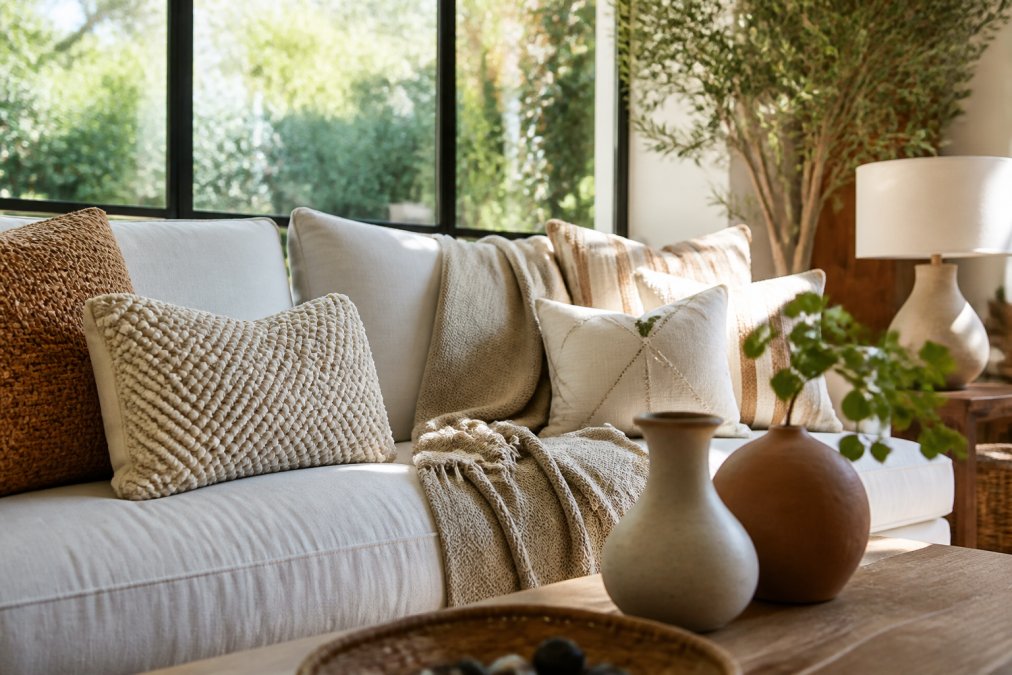
Start by selecting one statement piece, a large ceramic vessel, a significant textile, or a sculptural accent. This becomes your anchor. Choose it based on genuine connection rather than trend. If you're drawn to it, that's the right piece. From there, build around it with complementary artisan objects that share either material qualities, color palettes, or cultural origins.
The key to successful styling is restraint. Artisan pieces demand visual space. They're meant to be noticed, not crowded. A single exceptional handcrafted mirror on a wall is more impactful than three mass-produced mirrors clustered together. One stunning throw pillow makes a statement; five similar pillows create visual noise.

Mix artisan decor with your existing furnishings thoughtfully. Handcrafted pieces work beautifully alongside modern, minimalist spaces because the contrast highlights their character. They also complement traditional interiors because they share the same appreciation for craft and quality. The common thread is intentionality, everything in the room should be there because you chose it, not because it came with a set.
Consider the functional role of each piece. A hand-woven textile isn't just decoration; it's texture and warmth. Ceramic vessels aren't just visual interest; they're vessels for living plants or meaningful objects. Artisan lighting doesn't just illuminate; it creates ambiance through the quality of light and the beauty of the fixture itself. When you engage with pieces functionally, your relationship to them deepens.
Don't worry about perfect coordination. Artisan home decor celebrates individuality. Pieces from different artisans, different cultures, and different eras can coexist beautifully in the same space because they share authenticity. This eclecticism is part of the appeal, your home becomes a reflection of your genuine taste rather than a showroom display.
Investing in Heirloom Quality Furniture That Lasts
Heirloom quality furniture represents the pinnacle of artisan home decor investment. These are pieces designed and constructed to outlast their owners, to be passed down through generations and appreciated more deeply with each passing decade.
Identifying heirloom quality requires understanding construction fundamentals. Examine joinery. Handcrafted furniture uses mortise and tenon joints, dovetails, or other traditional methods that create mechanical strength without relying on adhesives alone. These joints tighten slightly over time rather than loosening. Mass-produced furniture typically uses dowels, pocket holes, or staples, faster methods that weaken with age and movement.
Material selection distinguishes heirloom pieces. Solid wood furniture made from hardwoods like walnut, cherry, or oak will last indefinitely with basic care. Plywood and particleboard, common in mass production, deteriorate as adhesives break down and layers separate. Upholstery in heirloom pieces uses high-quality fabrics and batting designed to age beautifully rather than pill, fade, or thin prematurely.
Finish quality matters significantly. Heirloom furniture receives finishes, hand-applied oils, waxes, or lacquers, that protect wood while allowing it to develop patina. These finishes can be refreshed indefinitely. Factory finishes are often thin polyurethane applied by machine, designed to look good initially but prone to chipping and wearing through.
The craftsmanship philosophy behind heirloom furniture emphasizes repairability. A skilled woodworker can restore a handcrafted piece to original condition. If a leg breaks, it can be replaced. If upholstery wears, the piece can be reupholstered. If finish deteriorates, it can be refinished. Mass-produced furniture is often designed to be replaced rather than repaired, replacement parts don't exist, or repairs cost more than buying new.
When you purchase heirloom quality furniture, you're making a generational decision. You're choosing pieces your children might inherit. This perspective changes how you evaluate options. You're not asking "Does this match my current aesthetic?" You're asking "Will this be beautiful and functional in thirty years? Will someone in my family treasure this?"
Authentication, Care, and Maintaining Your Artisan Pieces
Protecting your artisan home decor investment requires understanding how these pieces age and what maintenance preserves their integrity. Authentication matters because the market includes reproductions and mass-produced items marketed as artisan work.
Authentic artisan pieces carry specific markers. Handmade ceramics show tool marks, slight irregularities in form, and evidence of hand-shaping. The glaze application varies subtly. Hand-woven textiles display minor pattern variations and the characteristic slight irregularity of human weaving. Handcrafted wood furniture exhibits wood grain variation and construction methods visible to inspection. These "imperfections" are proof of authenticity.
Be cautious of pieces claiming artisan origins but showing signs of industrial production. Perfectly uniform ceramics, identical repetition in weaving, or suspiciously consistent finishes suggest machine production. Extremely low prices for items claimed to be handmade often indicate mass production in low-wage markets marketed deceptively as artisan work.
Sourcing from reputable retailers like Eleviq9 eliminates authentication risk. Curated collections are vetted for genuine craftsmanship. You receive pieces with confidence in their authenticity and quality.
Care practices preserve artisan pieces for decades. Ceramics require gentle handling and protection from extreme temperature changes, which can cause cracking. Store them away from direct sunlight to prevent glaze fading. Textiles benefit from regular gentle cleaning and protection from excessive moisture and direct sunlight. Rotate pieces periodically to ensure even fading. Wooden furniture requires occasional dusting and periodic conditioning with appropriate oils or waxes. Avoid harsh chemicals that strip finishes.
Environmental factors influence longevity. Maintain stable humidity levels, dramatic fluctuations cause wood to expand and contract excessively, stressing joints. Protect pieces from direct heat sources and excessive sunlight. These basic precautions ensure your artisan home decor remains beautiful for years.
Document your pieces. Photograph them, note the maker if known, and record purchase information. This documentation becomes valuable if you eventually sell pieces or need to file insurance claims. It also creates a record of your collection's evolution over time.
Conclusion: The Lasting Value of Handcrafted Design
The decision to invest in artisan home decor reflects a fundamental choice about how you want to live. You're choosing authenticity over convenience, longevity over disposability, and intentionality over passive consumption.
Artisan home decor transforms your living space into a reflection of your values. Eleviq9 specializes in curated luxury pieces, from hand-crafted ceramic vases like our Green Gold Ceramic Vase with Abstract Lovebird Design to handmade throw pillows and artisan textiles, each selected for genuine craftsmanship and timeless aesthetic. Begin your collection with pieces that will appreciate in beauty and meaning for decades to come. Explore Eleviq9's curated artisan collection and invest in home decor that tells your story.
Frequently Asked Questions
What's the real difference between artisan home decor and mass-produced pieces?
Artisan home decor is handcrafted using traditional techniques with individual attention to detail, while mass-produced items are manufactured at scale with minimal variation. Artisan pieces typically feature unique imperfections, superior material integrity, and one-of-a-kind design narratives. Mass-produced decor prioritizes consistency and cost reduction, often sacrificing durability and aesthetic character. Handcrafted items develop patina and personality over time, whereas factory-made pieces often show wear quickly and lack the craftsmanship investment that makes artisan work hold value.
How do I know if artisan home decor is actually worth the higher price?
Artisan pieces justify premium pricing through material quality, longevity, and design integrity. Unlike mass-produced alternatives that may need replacement within 5-7 years, heirloom quality artisan furniture often lasts decades or generations. The handcrafted process means fewer items are produced, supporting small-scale artisan ecosystems rather than industrial supply chains. Additionally, artisan decor typically appreciates or maintains value over time, some collectors find that unique handmade pieces become more valuable as they age, especially when they represent cultural heritage or exceptional craftsmanship.
Can I actually style artisan decor pieces together, or will they look mismatched?
Artisan decor works beautifully together when you focus on a cohesive design narrative rather than matching materials. Select pieces that share a color palette, cultural origin, or aesthetic philosophy, such as earth tones with natural fibers, or geometric patterns across textiles and ceramics. The key is intentional curation: each piece should have a reason for being in your space. Handcrafted items naturally complement each other because artisans often draw from similar traditional techniques and cultural influences. Start with a statement piece like the Green Gold Ceramic Vase with its abstract lovebird design, then layer in complementary textiles and accents.
What should I do to care for artisan materials so they last?
Proper care extends the life of artisan pieces significantly. For handcrafted ceramics and vases, dust regularly and avoid direct sunlight to prevent fading. Hand-woven textiles and faux fur pieces like the Plutus Rose Faux Fur Throw Pillow should be gently vacuumed or lightly brushed, with spot-cleaning for spills. Store seasonal pieces in breathable fabric bags, not plastic. Rotate decorative items periodically to ensure even wear. Most artisan materials benefit from minimal intervention, avoid harsh chemicals or machine washing. Consult care instructions specific to each piece's material, as traditional techniques often require gentler handling than industrial alternatives.
This article was written using GrandRanker
Frequently Asked Questions
What's the real difference between artisan home decor and mass-produced pieces?
Artisan home decor is handcrafted using traditional techniques with individual attention to detail, while mass-produced items are manufactured at scale with minimal variation. Artisan pieces typically feature unique imperfections, superior material integrity, and one-of-a-kind design narratives. Mass-produced decor prioritizes consistency and cost reduction, often sacrificing durability and aesthetic character. Handcrafted items develop patina and personality over time, whereas factory-made pieces often show wear quickly and lack the craftsmanship investment that makes artisan work hold value.
How do I know if artisan home decor is actually worth the higher price?
Artisan pieces justify premium pricing through material quality, longevity, and design integrity. Unlike mass-produced alternatives that may need replacement within 5-7 years, heirloom quality artisan furniture often lasts decades or generations. The handcrafted process means fewer items are produced, supporting small-scale artisan ecosystems rather than industrial supply chains. Additionally, artisan decor typically appreciates or maintains value over time—some collectors find that unique handmade pieces become more valuable as they age, especially when they represent cultural heritage or exceptional craftsmanship.
Can I actually style artisan decor pieces together, or will they look mismatched?
Artisan decor works beautifully together when you focus on a cohesive design narrative rather than matching materials. Select pieces that share a color palette, cultural origin, or aesthetic philosophy—such as earth tones with natural fibers, or geometric patterns across textiles and ceramics. The key is intentional curation: each piece should have a reason for being in your space. Handcrafted items naturally complement each other because artisans often draw from similar traditional techniques and cultural influences. Start with a statement piece like the Green Gold Ceramic Vase with its abstract lovebird design, then layer in complementary textiles and accents.
What should I do to care for artisan materials so they last?
Proper care extends the life of artisan pieces significantly. For handcrafted ceramics and vases, dust regularly and avoid direct sunlight to prevent fading. Hand-woven textiles and faux fur pieces like the Plutus Rose Faux Fur Throw Pillow should be gently vacuumed or lightly brushed, with spot-cleaning for spills. Store seasonal pieces in breathable fabric bags, not plastic. Rotate decorative items periodically to ensure even wear. Most artisan materials benefit from minimal intervention—avoid harsh chemicals or machine washing. Consult care instructions specific to each piece's material, as traditional techniques often require gentler handling than industrial alternatives.