 ultimate-guide
Mixing Luxury Home Decor: Tips for a High-End Look
Table of Contents
- Luxury Home Decor: Start With a Clear Design Style
- The 80/20 Rule: How to Mix High and Low End Furniture
- Luxury Interior Design Rules for Beginners: Balance and Proportion
- Creating a Cohesive Palette and Layering Textures
- Choosing Statement Pieces and High-Impact Details
- Achieving Old Money Aesthetic on Budget: Sourcing and Psychology
- Conclusion: Curate a Home That Lasts
- Frequently Asked Questions
Last Updated: September 5, 2026
The secret to a home that looks expensive isn't the price tag on every item. It's the tension between a $4,000 sofa and a $40 thrifted side table that makes a room feel curated rather than catalog-ordered. This guide walks you through the practical rules for blending investment pieces with budget-friendly accents, from the 80/20 framework to the psychology behind the old money aesthetic.
Luxury Home Decor: Start With a Clear Design Style
Luxury home decor is not defined by a single look, but by intention and coherence. Before you buy anything, you need a design style that anchors every decision, whether that is modern bohemian, organic modern, or classic Hollywood Regency. A clear style acts as a filter, telling you instantly whether a piece belongs in your home.
Without this foundation, mixing high and low end furniture becomes a random gamble. Define your primary style, then identify one secondary style to add depth, for example, a modern bohemian base with a touch of art deco glamour.
The 80/20 Rule: How to Mix High and Low End Furniture
The most reliable framework for mixing luxury home decor is the 80/20 rule. Spend 80 percent of your budget on a few high-quality, foundational pieces, and reserve 20 percent for trend-driven or thrifted accents. The expensive sofa, dining table, or bed frame carries the room's visual weight, while the affordable items add personality without risking the overall aesthetic.
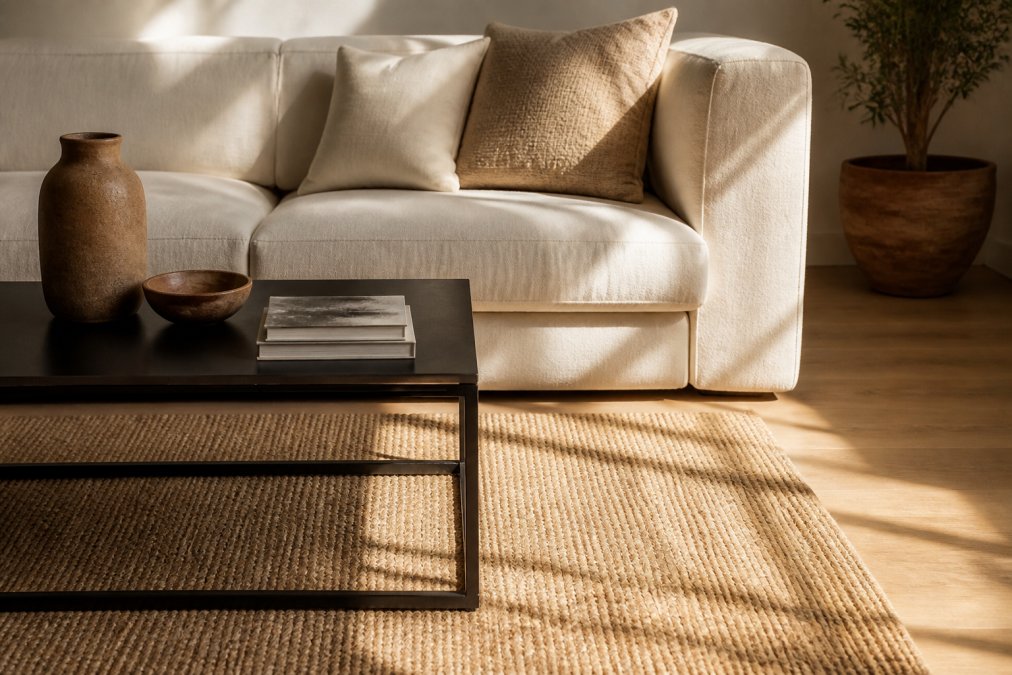
Most guides get this wrong. They tell you to save on everything, which leaves a room looking flat and cheap. The opposite failure is spending on everything, which produces a space that feels like a hotel lobby. The fix is ruthless prioritization: invest in pieces you touch and use daily, like sofas, mattresses, and dining chairs, and save on purely decorative items like vases, throw pillows, and wall art.

A common mistake is treating "high-end" as a synonym for "expensive brand." The real marker of quality is material and construction. A solid wood table from a small maker will outlast a veneered piece from a big-box retailer. For the low-end portion of your budget, scour estate sales and online marketplaces for vintage furniture; a $50 lamp with a brass base and a linen shade can look far more luxurious than a $200 mass-produced replica.
A Concrete Budget Allocation Framework
To make the 80/20 rule actionable, apply a percentage-based allocation to your total room budget. For a living room renovation, a common pattern that interior designers use is:
- 40% on focal furniture: The sofa, armchair, or media console. This is where the 80% of your high-end spend should concentrate.
- 20% on lighting: A mix of overhead, task, and accent lighting. This is the most under-budgeted category in most homes, yet it has the highest impact on perceived luxury.
- 15% on area rugs: A large, properly sized rug anchors the seating group. Skimping here makes the room feel unfinished.
- 10% on window treatments: Floor-to-ceiling curtains or custom shades. This is a cost-effective way to add height and softness.
- 10% on accessories and art: Vases, books, decorative objects, and framed pieces. This is where your thrifted and vintage finds live.
- 5% on hardware and finishing touches: Switch plates, cabinet pulls, and small details that signal attention.
This breakdown gives you a decision-making framework. If you are tempted by a $2,000 sculptural chair but your lighting budget is already spent, the chair will not elevate the room as much as a $500 floor lamp would.
Sourcing High-End Vintage on a Budget
The 20% portion of your budget is where you can claim a unique advantage: sustainable luxury sourcing. Vintage and secondhand pieces are not just cheaper; they are often better constructed than new items at the same price point.
To source effectively, follow a consistent weekly routine:
- Check estate sales first. These are the best source for solid wood furniture, vintage lighting, and original art. Arrive early on the first day, and bring measurements of your space.
- Set alerts on online marketplaces for specific keywords like "solid walnut side table" or "brass floor lamp." Patience is a virtue here; the right piece appears every few weeks, not every day.
- Inspect for quality markers. Look for dovetail joints in drawers, kiln-dried hardwood frames, and solid brass rather than plated hardware. These are the signs of a piece that will last decades.
- Budget for restoration. A $100 vintage chair may need $200 in reupholstery. Factor that into your decision. A $300 total investment in a well-made frame still beats a $600 new chair with a particleboard base.
Luxury Interior Design Rules for Beginners: Balance and Proportion
Luxury interior design rules for beginners often come down to two words: balance and proportion. A room feels expensive when every piece relates to the others in scale, and when visual weight is distributed evenly across the space.
Start by measuring your room and mapping your furniture layout on paper before buying anything. A general rule is to leave at least 18 inches of walkway between furniture pieces, and to keep the coffee table within 16 inches of the sofa for comfortable reach.
Proportion also applies to how you group objects. When styling a shelf or a console, group items in odd numbers, typically three or five, and vary the heights. A tall ceramic vase next to a stack of books and a small sculptural object creates more visual interest than three items of identical height.
Creating a Cohesive Palette and Layering Textures
A cohesive palette is the glue that holds a mixed-style room together. Choose two or three neutral tones as your base, such as warm ivory, greige, and muted wood tones, then add one accent color that appears in no more than 20 percent of the room. This restraint allows a $50 thrifted chair to sit comfortably next to a custom upholstery sofa.
Textural layering is the second half of this equation. Luxury is felt as much as it is seen. A room filled with a single texture feels flat. Mix materials to create depth: a chunky knit throw over a smooth linen sofa, a sisal rug under a polished wood coffee table, a velvet pillow against a leather chair. The contrast between rough and smooth, matte and glossy, is what makes a space feel rich.
Window treatments are an often-overlooked layer. Floor-to-ceiling curtains, hung as high as the ceiling allows, add height and softness to a room. They are one of the most cost-effective ways to make a space feel more expensive, and they provide the textural softness that hard architectural surfaces need.
Choosing Statement Pieces and High-Impact Details
A statement piece is the focal point of a room, the one item that anchors the eye and defines the space. It could be a sculptural chandelier, an oversized mirror with architectural molding, or a bold piece of wall art. The key is to choose one focal point per room, not five.

When selecting a statement piece, consider how it interacts with the rest of the room. A large mirror reflects light, making a dark room feel brighter and more spacious. A sculptural lighting fixture adds both function and drama. A mix of overhead, task, and accent lighting creates shadows and highlights that give a room dimension.
For the rest of the room, focus on high-impact details that cost less but deliver outsized results. Swap out standard switch plates for brushed brass ones, add custom framing to a thrifted piece of art, or install wallcoverings on a single accent wall. These small touches signal that attention was paid, which is the essence of the luxury look.
Achieving Old Money Aesthetic on Budget: Sourcing and Psychology
The old money aesthetic is less about specific items and more about the impression of permanence and quiet quality. It favors timeless silhouettes, muted colors, and natural materials over logos, trends, and shiny finishes. Achieving it on budget is entirely possible, because the look depends on curation, not cost.
Luxury is perceived through contrast and scarcity. A single antique piece in a modern room draws more attention than a room full of antiques. Editing is a luxury; clutter reads as chaos, while empty space reads as confidence.
For sourcing, prioritize vintage and secondhand for at least a few pieces in every room. Vintage furniture is often better constructed than new mass-produced items, and it carries a patina that cannot be replicated. This approach is also a more sustainable form of luxury, one that values longevity over disposability.
The Psychology of Sensory Luxury
The old money aesthetic is not just visual; it is a full sensory experience. Luxury is felt through touch, sound, and even smell. A room that looks expensive but feels cold or hollow will not read as luxurious. Focus on the following sensory layers:
- Acoustics: Hard surfaces like tile, wood, and glass create echo and harshness. Add soft materials, a wool rug, velvet curtains, or an upholstered headboard, to absorb sound and create a quieter, more intimate atmosphere. This is why libraries and old clubs feel luxurious; they are acoustically soft.
- Scent: A subtle, consistent scent signals a cared-for home. This does not require expensive candles. A diffuser with a high-quality essential oil, like cedarwood or bergamot, in a neutral vessel works well. Avoid overwhelming floral or synthetic scents, which read as commercial rather than curated.
- Touch: The materials you touch daily matter most. A linen sofa cover, a wool throw, or a leather chair that develops a patina over time all contribute to the sensory experience. If a piece is not comfortable to touch, it will not feel luxurious no matter how it looks.
Maintenance and Longevity: The Hidden Layer of Luxury
Luxury is about durability. A $4,000 sofa that looks worn after two years is not luxury; it is a mistake. The old money aesthetic depends on pieces that age gracefully, and that requires a maintenance routine. This is the difference between a home that looks expensive and one that actually is.
For the high-end materials in your home, follow these care protocols:
- Marble: Seal marble countertops and tabletops annually with a penetrating sealer. Clean with a pH-neutral soap and warm water. Never use vinegar or citrus-based cleaners, which etch the surface. For daily maintenance, a microfiber cloth and warm water are sufficient.
- Silk and velvet upholstery: Both are delicate. For velvet, use a soft brush attachment on a low-suction vacuum weekly to prevent crushing. For silk, avoid direct sunlight, which causes fading, and spot-clean with a dry-cleaning solvent rather than water. Professional cleaning once a year is a worthwhile investment.
- Solid wood: Dust regularly with a dry cloth. Apply a high-quality furniture wax or polish twice a year to protect the finish. Avoid silicone-based polishes, which build up and dull the surface over time.
- Brass and other metals: Unlacquered brass develops a natural patina, which is desirable in the old money aesthetic. If you prefer a polished look, use a brass cleaner monthly. For lacquered brass, a damp cloth is all you need; avoid abrasive cleaners.
The Cost of Maintenance in Your Budget
When applying the budget allocation framework from the 80/20 section, set aside 5% of your total room budget for maintenance and restoration. This covers reupholstering a vintage chair, sealing marble, or replacing worn hardware. This line item separates a curated collection from a random assortment of furniture.
A common pattern among designers is to budget for a vintage piece's restoration before bringing it home. If a chair needs reupholstery, factor that $200 to $400 cost into your decision before you purchase. If the total cost still beats a comparable new piece, it is a smart buy.
Conclusion: Curate a Home That Lasts
The most important shift in mixing luxury home decor is moving from a mindset of buying to a mindset of curating. A curated collection is built slowly, with each piece earning its place through quality, utility, or beauty. A well-made piece that you repair and refinish will serve you for decades, while a trendy item will need replacing in two years.
Start with a clear design style, apply the 80/20 rule to your budget, and let a cohesive palette guide your choices. Invest in statement pieces that anchor a room, and layer in textures and high-impact details. Whether you are sourcing vintage furniture for that old money aesthetic or investing in a sculptural vase from Eleviq9's curated collection, the goal is the same: a home that reflects your personal style and stands the test of time.
The Eleviq9 collection, featuring elegant lighting, decorative mirrors, and statement wall art, is designed to be the high-end portion of your 80/20 equation. These are the versatile, high-quality pieces that anchor a room and elevate everything around them. Get started with Eleviq9 and build a home that feels less decorated and more lived-in, one intentional piece at a time.
Frequently Asked Questions
What is the 70/30 rule in decorating?
The 70/30 rule is a decorating guideline suggesting that 70% of a room should feature a dominant style or color palette, while the remaining 30% can introduce contrast or a secondary style. In the context of mixing luxury home decor, this means grounding your space in timeless, neutral tones and letting 30% be your statement pieces, such as a bold vase or an accent chair, to create visual interest without overwhelming the room.
How do you mix modern and traditional luxury decor seamlessly?
To mix modern and traditional luxury decor, focus on shared visual weight and scale rather than matching periods. Pair a clean-lined modern sofa with a traditional carved wooden coffee table, anchoring both with a neutral, textured rug. Repetition of a single material, like brass or walnut, across both styles creates a cohesive palette that makes the blend feel intentional rather than accidental.
What are the best textures to mix for a luxury aesthetic?
A luxury aesthetic relies on textural layering to create depth. Combine smooth surfaces like lacquered wood or glass with soft textiles such as velvet or faux fur. Introduce natural elements like linen or wool to add warmth, and use metallic accents in lighting or decor for a subtle sheen. Mixing at least three contrasting textures prevents a room from feeling flat or one-dimensional.
How do you achieve an old money look on a budget?
Achieving an old money aesthetic on a budget requires prioritizing quality over quantity and focusing on timeless, neutral tones. Spend the majority of your budget on a few high-impact pieces, like a solid wood dining table or a well-constructed sofa. Fill the rest of the space with thrifted vintage furniture, custom upholstery on secondhand frames, and understated decor that emphasizes craftsmanship over logos.
This article was written using GrandRanker
Frequently Asked Questions
What is the 70/30 rule in decorating?
The 70/30 rule is a decorating guideline suggesting that 70% of a room should feature a dominant style or color palette, while the remaining 30% can introduce contrast or a secondary style. In the context of mixing luxury home decor, this means grounding your space in timeless, neutral tones and letting 30% be your statement pieces, such as a bold vase or an accent chair, to create visual interest without overwhelming the room.
How do you mix modern and traditional luxury decor seamlessly?
To mix modern and traditional luxury decor, focus on shared visual weight and scale rather than matching periods. Pair a clean-lined modern sofa with a traditional carved wooden coffee table, anchoring both with a neutral, textured rug. Repetition of a single material, like brass or walnut, across both styles creates a cohesive palette that makes the blend feel intentional rather than accidental.
What are the best textures to mix for a luxury aesthetic?
A luxury aesthetic relies on textural layering to create depth. Combine smooth surfaces like lacquered wood or glass with soft textiles such as velvet or faux fur. Introduce natural elements like linen or wool to add warmth, and use metallic accents in lighting or decor for a subtle sheen. Mixing at least three contrasting textures prevents a room from feeling flat or one-dimensional.
How do you achieve an old money look on a budget?
Achieving an old money aesthetic on a budget requires prioritizing quality over quantity and focusing on timeless, neutral tones. Spend the majority of your budget on a few high-impact pieces, like a solid wood dining table or a well-constructed sofa. Fill the rest of the space with thrifted vintage furniture, custom upholstery on secondhand frames, and understated decor that emphasizes craftsmanship over logos.