
 how-to
How to Visualize Decor Before Buying: A Step-by-Step Guide
Table of Contents
- Why Visualizing Decor Before Buying Matters
- Step 1: Take Accurate Room Measurements and Create a Floor Plan
- Step 2: How to Create a Mood Board for Interior Design
- Step 3: Best Interior Design Apps for Homeowners
- Step 4: How to Choose the Right Size Area Rug for Your Space
- Step 5: Test Your Design Concept with Physical Visualization
- Step 6: Plan for Returns and Logistics Before Committing
- Understanding the Psychological Impact of Your Design Choices
- Frequently Asked Questions
Last Updated: September 3, 2026
Why Visualizing Decor Before Buying Matters
Buying home decor without seeing how it works in your actual space often disappoints. Wrong scale, clashing colors, poor proportions, or mismatched styles can turn an expensive purchase into a regrettable one.
Learning how to visualize decor before buying is the single most important skill for making confident purchasing decisions. It's the difference between spaces that feel cohesive and thoughtfully designed versus rooms that look randomly assembled.
This guide walks you through each step, from taking accurate measurements to using augmented reality visualizers, so you can shop with confidence.
Step 1: Take Accurate Room Measurements and Create a Floor Plan
Everything starts with numbers. You cannot visualize how decor will work in a space you haven't precisely measured.
Measuring your space correctly
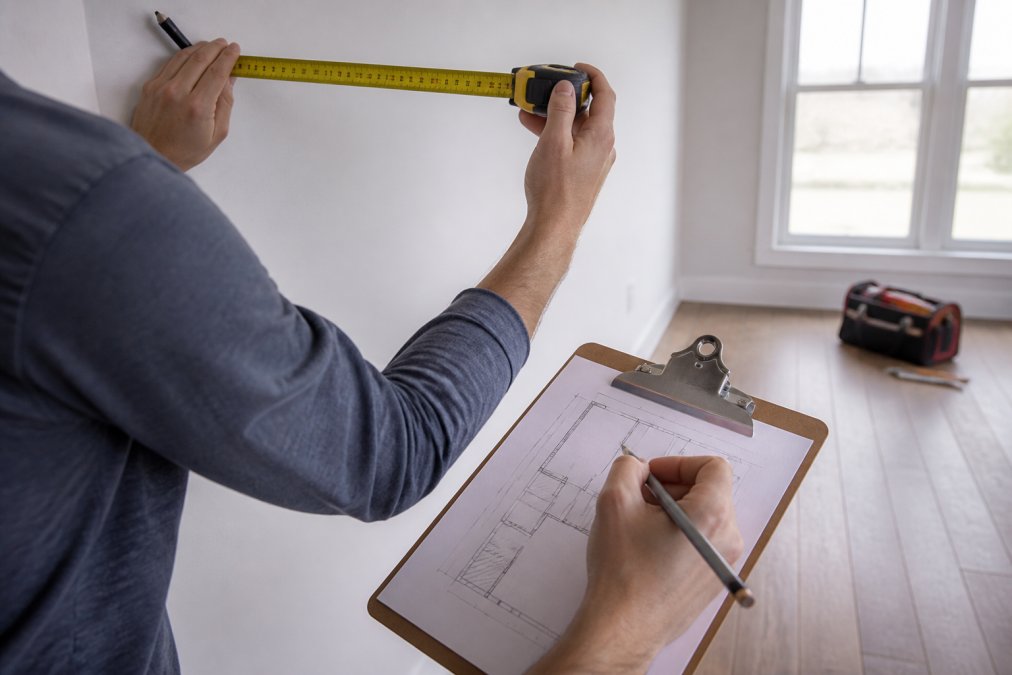
Use a steel tape measure and measure from corner to corner, not along walls. Record room length, width, and ceiling height. Measure existing furniture and clearance space between pieces, from furniture to walls, and from floor to overhead elements. Write down every measurement, including odd angles and alcoves.
Documenting furniture scale and clearance
Create a simple floor plan on graph paper or using a basic digital tool. Draw your room to scale and plot existing furniture. This visual reference answers critical questions: "Will this chair fit in that corner?" and "How much wall space is left for art?"
Identify traffic flow and focal points. Where do people naturally walk? Where does your eye land first when entering the room? Statement pieces should anchor focal points, not compete with them. Document clearance dimensions for doors, windows, and architectural features, a mirror might block a door swing or sit awkwardly next to a light switch.
Step 2: How to Create a Mood Board for Interior Design
A mood board is your visual reference library where color palettes, textile swatches, and inspiration images come together before you spend money.
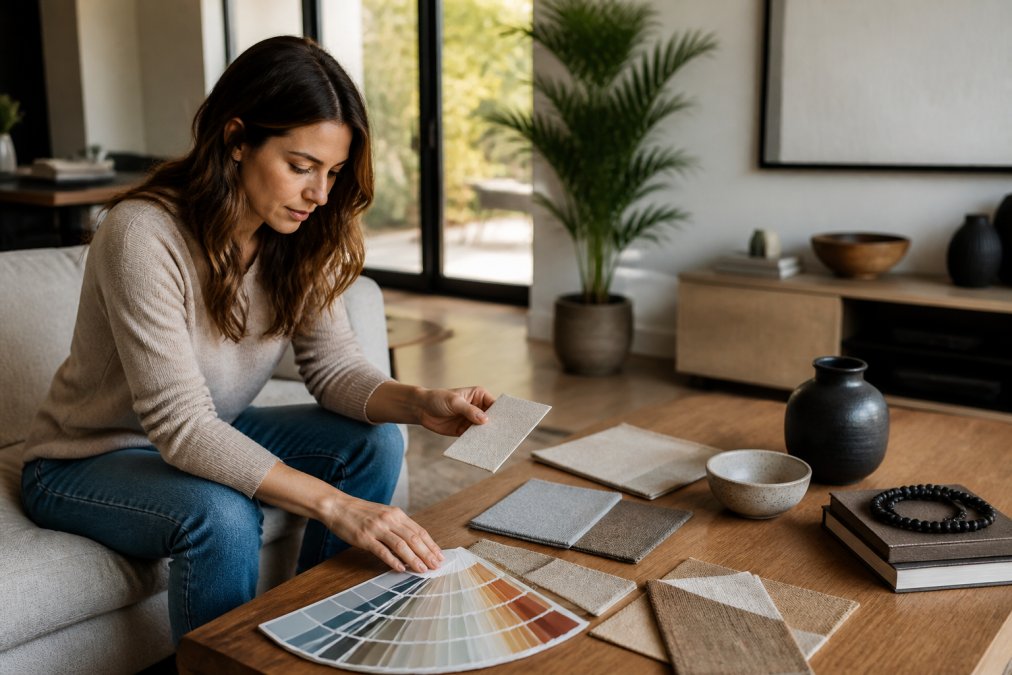
Gathering color palette and textile swatches
Collect images of spaces that resonate with you from Pinterest, Instagram, magazines, and retail websites. Look for patterns across your saved images, repeated colors, materials, and styles reveal your instinctive design preferences.
Gather physical samples: fabric swatches, paint chips, and finish samples. Bring them home and live with them for a few days. Colors shift dramatically under different lighting conditions. Create a physical mood board by pinning samples to poster board, or use digital platforms like Pinterest or Canva for accessibility while shopping.
Building your design concept visually
Your mood board should tell a story about your space. Include at least one anchor piece, typically a larger item like a sofa, area rug, or lighting fixture. Everything else should coordinate with this anchor. If your anchor is a neutral rug, your color palette should complement that neutrality or provide intentional contrast.
Step 3: Best Interior Design Apps for Homeowners
Digital tools have transformed how homeowners visualize spaces, from simple room planners to sophisticated 3D modeling and augmented reality visualizers.
3D modeling and virtual staging tools
Apps like RoomPlan, Floorplanner, and Planner 5D let you input room dimensions, add furniture from their libraries, and test arrangements before buying. You can experiment with multiple layouts in minutes and adjust colors, materials, and lighting to see how different design choices affect the overall space.
The limitation is that furniture libraries don't always include specific pieces you're considering. Workarounds include uploading product photos or creating simplified representations of items you're shopping for.
Augmented reality visualizers
Augmented reality apps like Wayfair's AR tool and IKEA Place overlay digital furniture onto your actual space through your phone camera. Point your phone at a wall or floor and see how a specific piece looks in real-time. This is remarkably powerful for testing scale and how a piece interacts with your actual lighting and existing furniture.
AR works best for individual items or small groupings. You're testing one piece at a time rather than building a complete room design, but for major purchases, a statement mirror, lighting fixture, or area rug, AR visualization is invaluable.
Step 4: How to Choose the Right Size Area Rug for Your Space
Area rugs anchor a room's design and define zones within open spaces. Getting the size wrong undermines your entire design concept.
For living rooms, have the front legs of your sofa and chairs sit on the rug to create visual cohesion. A typical living room rug ranges from 5x7 feet to 8x10 feet, though larger rooms may need 9x12 feet.
For bedrooms, a rug typically sits at the foot of the bed or extends on both sides. A 5x7 or 6x9 rug works for most standard bedrooms.
In dining rooms, the rug should be large enough that chair legs remain on the rug when chairs are pulled out. An 8x10 rug works for most dining tables.
Test your rug size decision using your floor plan. Draw the rug dimensions to scale. Does it feel proportional? Use your digital floor plan or AR tools to visualize the rug in place before ordering.
Step 5: Test Your Design Concept with Physical Visualization
Digital tools are powerful, but physical testing catches details that screens miss. Before finalizing purchases, bring your design concept into your actual space.
Use painter's tape to outline furniture placement and rug dimensions on your floor. Stand in different parts of the room and look at the outlined space from various angles. Does the proportion feel right? Does traffic flow work?
Borrow or rent furniture pieces when possible. Many retailers offer rental programs or accept returns within 30 days, effectively letting you test pieces in your space under your actual lighting conditions.
Create a temporary mood board in the space itself by pinning fabric swatches and color samples to a wall. Colors shift dramatically depending on lighting. Testing samples in your actual space for a few days reveals how colors perform throughout the day.
For lighting, test different fixtures or bulb temperatures before committing. Position a floor lamp where you're considering a fixture and spend an evening with it. Does it create the ambiance you want?
Step 6: Plan for Returns and Logistics Before Committing
The best visualization process still can't guarantee a piece will work perfectly once it arrives. Responsible shopping means understanding return policies and logistics before you buy.
Check return windows and conditions before purchasing. Some retailers accept returns within 30 days; others offer 60 or 90 days. Some charge return shipping; others cover it. A generous return policy gives you breathing room to live with a piece and decide if it truly works in your space.
Understand shipping timelines. If you're building a room design with multiple pieces, staggered arrival dates might leave you with an incomplete vision for weeks. For pieces that emphasize curated quality and luxury design, understand what makes these pieces worth the investment. Higher-quality materials, thoughtful design, and durability justify premium pricing and outlast cheaper alternatives.
Document measurements and photos of your space before ordering. When a package arrives, you have visual reference to confirm that what you ordered matches what you envisioned.
Understanding the Psychological Impact of Your Design Choices
Beyond aesthetics, your design choices affect how you feel in your space. This psychological dimension often determines whether a room truly works.
Color influences mood and energy. Warm colors like terracotta and warm gold create intimacy; cooler tones like soft blues promote calm. For bedrooms, cooler palettes support restful sleep. For social spaces, warmer tones encourage energy and conversation.
Lighting dramatically affects how you experience a space. Harsh overhead lighting creates fatigue; layered lighting with ambient, task, and accent elements creates flexibility and comfort.
Scale and proportion influence how spacious or intimate a room feels. Oversized furniture in a small room creates claustrophobia; undersized pieces in a large room feel sparse. Cohesion, how well pieces work together, creates visual harmony or cognitive friction. A room where everything coordinates feels restful; clashing styles create subtle stress.
Visualizing your space before buying transforms shopping from guesswork into confident decision-making. When you combine accurate measurements, digital tools, physical testing, and thoughtful design concepts, you create rooms that work beautifully and last. Eleviq9's curated collection of luxury home decor and modern furniture is designed for homeowners who take this approach, who invest in pieces that elevate their spaces because they've already visualized exactly how those pieces will work. Start with your measurements, build your mood board, test your concepts, and shop with the clarity that comes from seeing your design before it arrives.
Frequently Asked Questions
What's the best way to see if furniture will fit in my room before buying?
Start by measuring your room dimensions and existing furniture, then use a floor plan app or AR visualizer to place pieces virtually in your space. Many interior design apps let you input exact measurements and drag furniture to scale. For physical verification, use painter's tape on your floor to outline furniture footprints, or take photos of your room and print them to sketch arrangements. This two-step approach, digital preview plus physical mockup, catches fit issues before purchase.
How do I create a mood board for interior design that actually matches my space?
Gather images, color swatches, and fabric samples that reflect your desired aesthetic, then organize them on a physical board or digital platform like Pinterest. Include photos of your actual room to see how colors and textures interact with your lighting and existing pieces. Focus on style consistency by selecting items that share a common design theme, whether modern bohemian, minimalist, or eclectic. This visual reference prevents impulse purchases that clash with your overall design concept.
Are there free apps to visualize how decor will look in my room?
Yes. Many interior design apps offer free versions with basic 3D modeling and augmented reality features. Apps like Wayfair's visualizer, IKEA Place, and room planning tools let you place furniture and see spatial planning in real time. Free tiers typically limit advanced features, but they're sufficient for testing furniture scale, color palette coordination, and overall room layout. Paid versions unlock more design options and photorealistic previews.
What should I know about return policies before ordering decor pieces?
Check return windows, shipping costs for returns, and restocking fees before purchasing. Some retailers offer free returns within 30 days; others charge return shipping or have restocking penalties for opened items. For luxury pieces, verify whether the seller covers damage during shipping and how replacements are handled. Understanding logistics planning, including how long returns take to process, helps you decide if a piece is worth the risk, especially for high-value statement items.
This article was written using GrandRanker
Frequently Asked Questions
What's the best way to see if furniture will fit in my room before buying?
Start by measuring your room dimensions and existing furniture, then use a floor plan app or AR visualizer to place pieces virtually in your space. Many interior design apps let you input exact measurements and drag furniture to scale. For physical verification, use painter's tape on your floor to outline furniture footprints, or take photos of your room and print them to sketch arrangements. This two-step approach—digital preview plus physical mockup—catches fit issues before purchase.
How do I create a mood board for interior design that actually matches my space?
Gather images, color swatches, and fabric samples that reflect your desired aesthetic, then organize them on a physical board or digital platform like Pinterest. Include photos of your actual room to see how colors and textures interact with your lighting and existing pieces. Focus on style consistency by selecting items that share a common design theme—whether modern bohemian, minimalist, or eclectic. This visual reference prevents impulse purchases that clash with your overall design concept.
Are there free apps to visualize how decor will look in my room?
Yes. Many interior design apps offer free versions with basic 3D modeling and augmented reality features. Apps like Wayfair's visualizer, IKEA Place, and room planning tools let you place furniture and see spatial planning in real time. Free tiers typically limit advanced features, but they're sufficient for testing furniture scale, color palette coordination, and overall room layout. Paid versions unlock more design options and photorealistic previews.
What should I know about return policies before ordering decor pieces?
Check return windows, shipping costs for returns, and restocking fees before purchasing. Some retailers offer free returns within 30 days; others charge return shipping or have restocking penalties for opened items. For luxury pieces, verify whether the seller covers damage during shipping and how replacements are handled. Understanding logistics planning—including how long returns take to process—helps you decide if a piece is worth the risk, especially for high-value statement items.